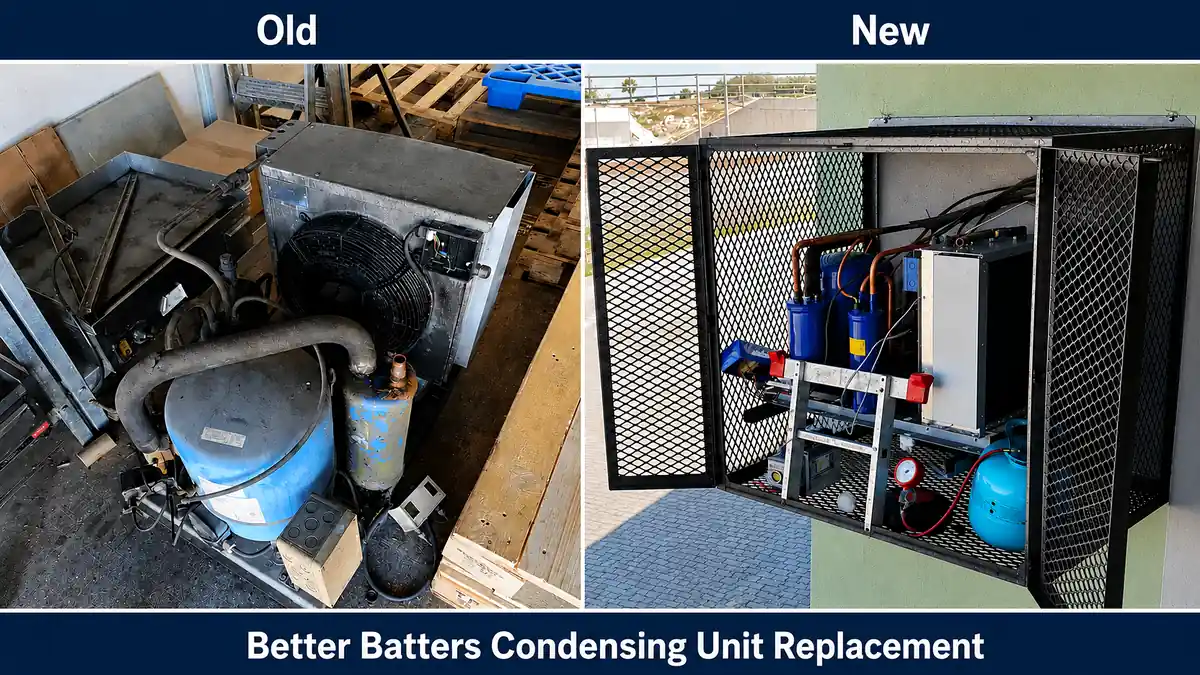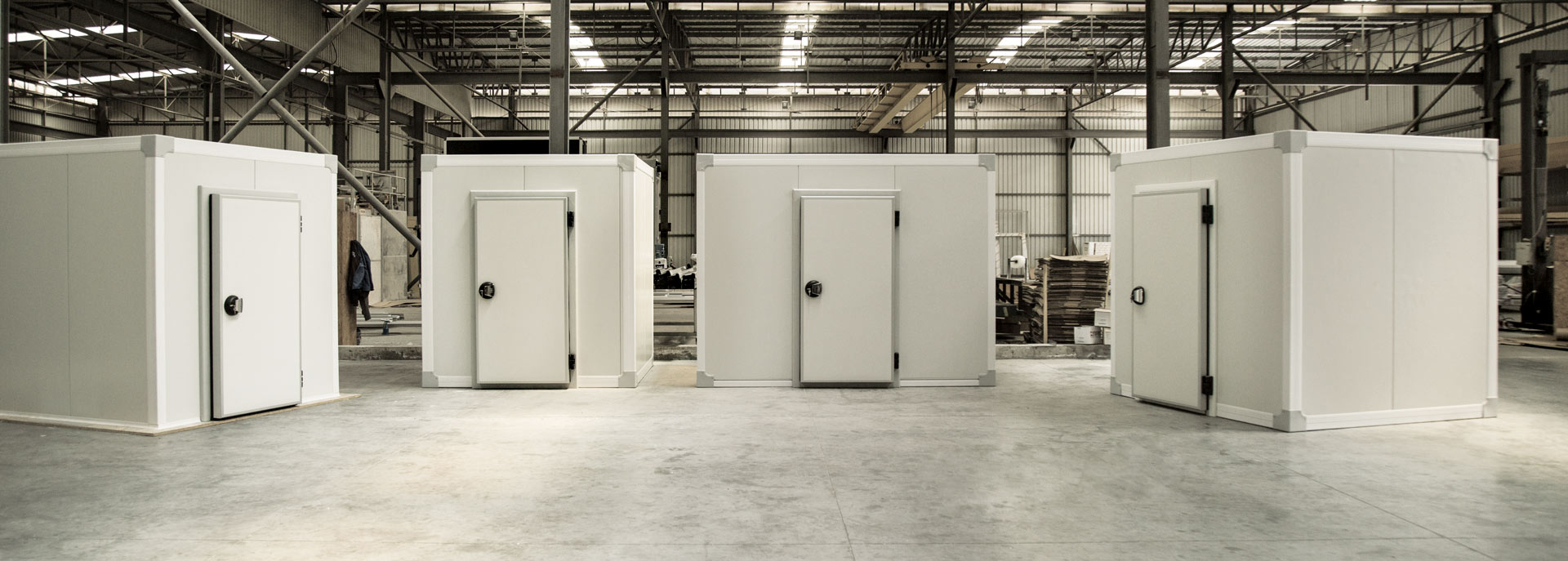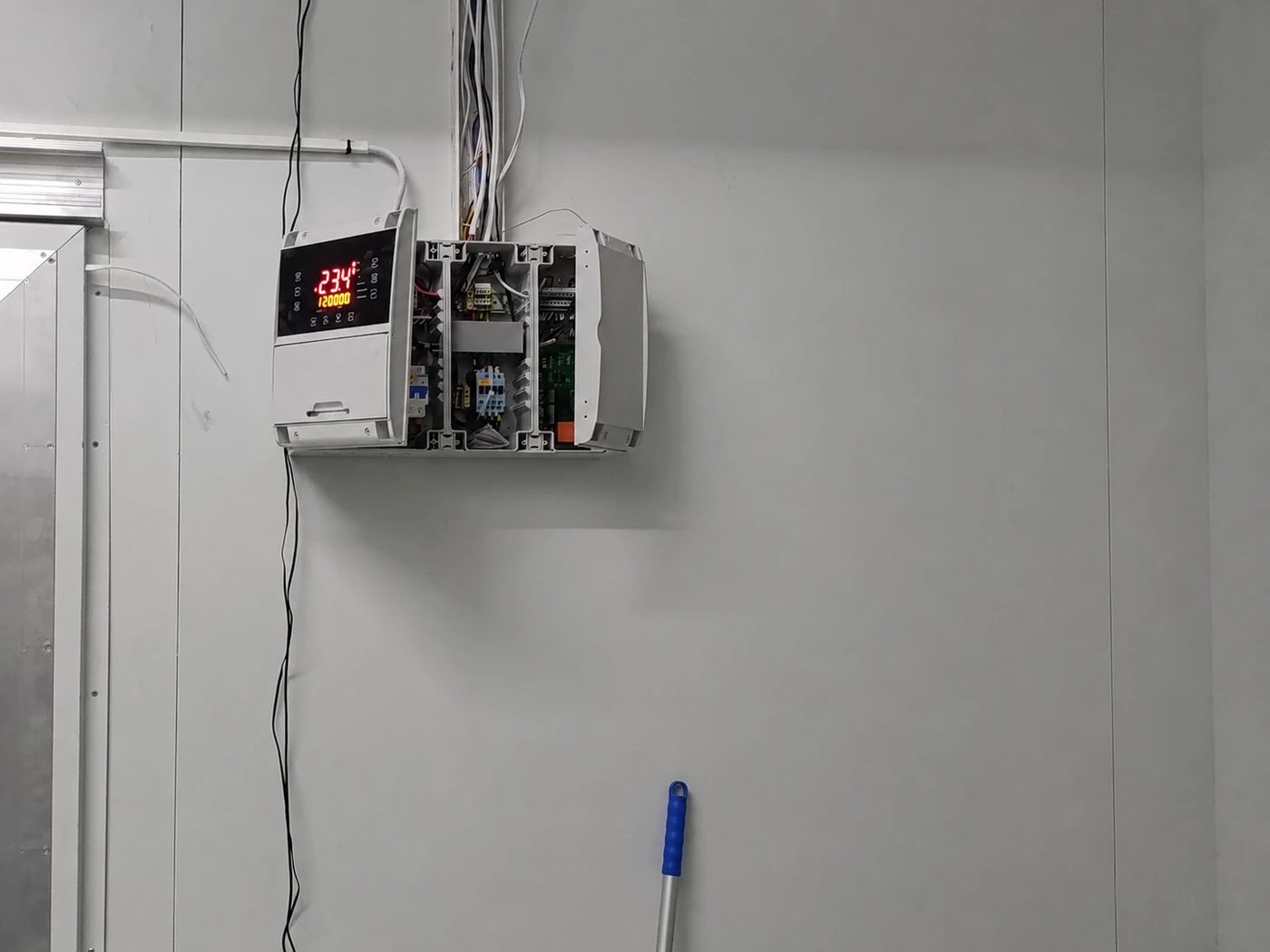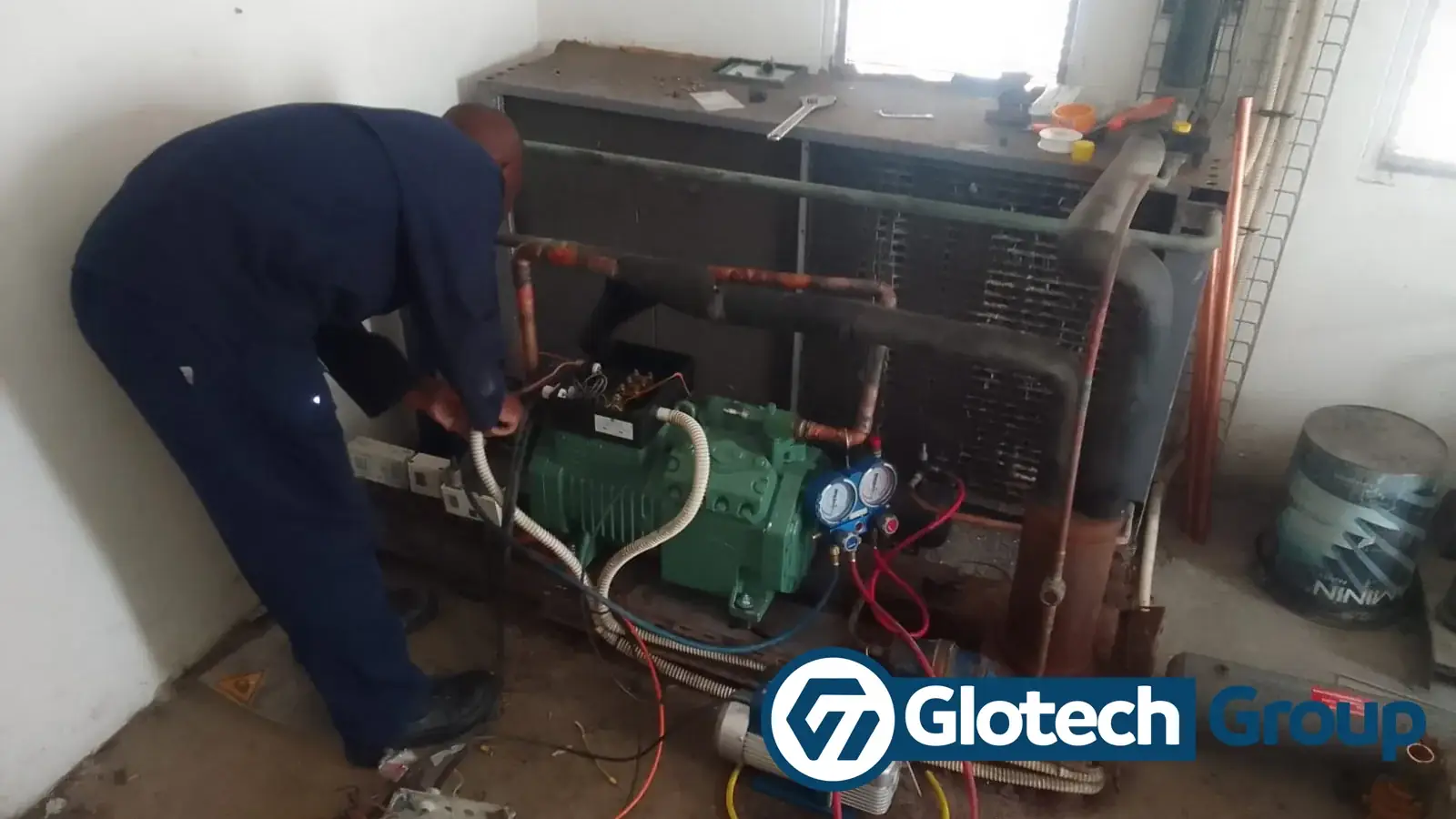
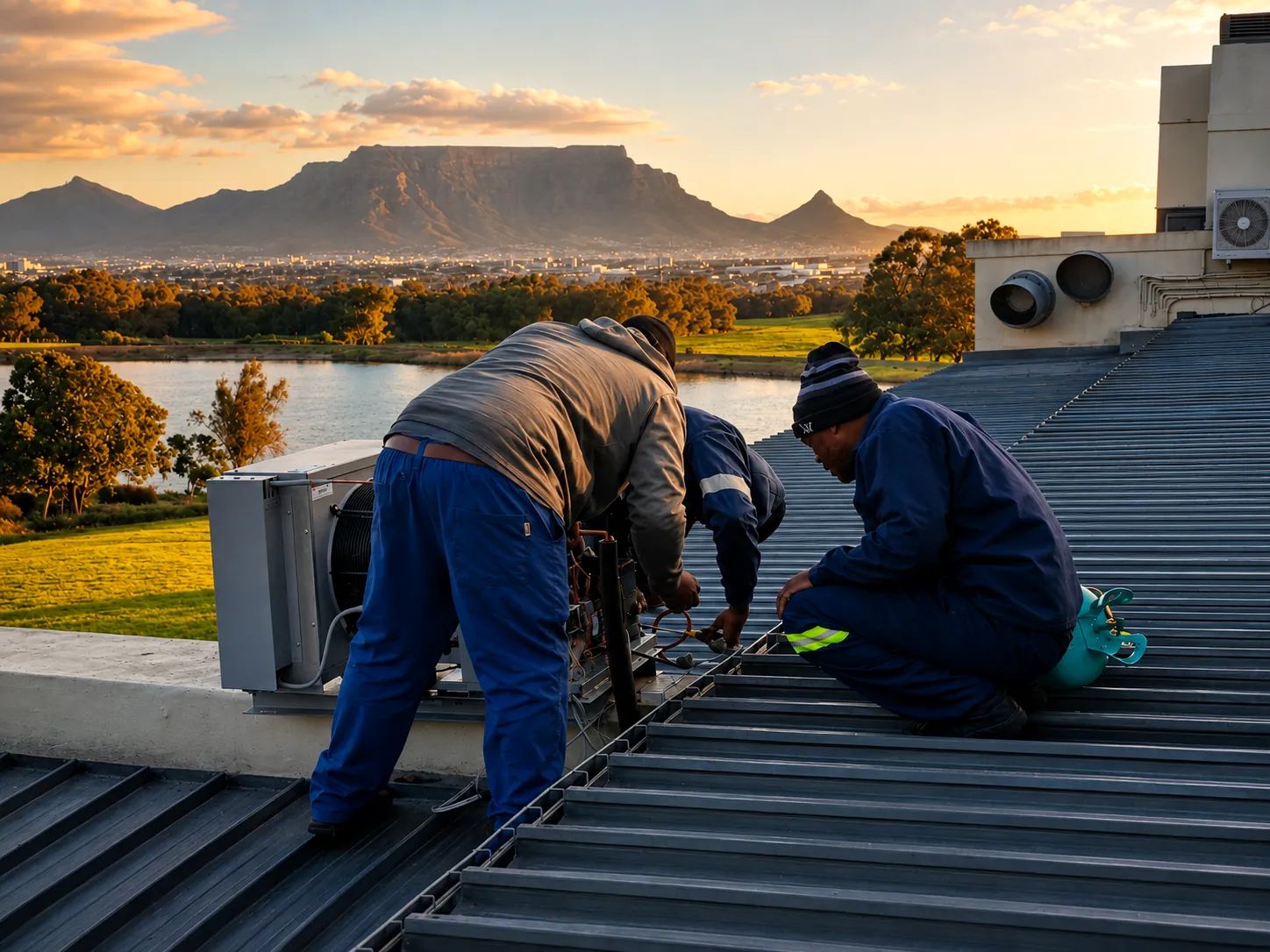
A commercial cold room should normally receive a professional refrigeration service at least every six months.
However, servicing twice a year does not replace routine checks by the business. Temperatures, doors, ice formation, unusual noises and airflow should be monitored daily, while cleaning and basic inspections should take place throughout the month.
Cold rooms operating in demanding conditions may require professional attention more frequently than every six months. These include systems installed in:
- Busy restaurants
- Butcheries
- Bakeries
- Food-production facilities
- Dusty warehouses
- Coastal environments
- High-temperature plant areas
- Kitchens with airborne grease
- Facilities with frequent deliveries
- Rooms storing high-value or temperature-sensitive products
Equipment manufacturers commonly recommend maintenance at several intervals rather than relying on one annual visit. Heatcraft, for example, recommends periodic visual inspections, twice-yearly condenser and electrical servicing, and more detailed annual checks for air-cooled condensing equipment.
This guide divides cold room maintenance into:
- Daily operator checks
- Weekly cleaning tasks
- Monthly inspections
- Six-monthly professional servicing
- Annual system assessments
The exact schedule should still be adjusted according to the equipment manufacturer, operating environment, refrigerant system and maintenance history.
Why Preventative Cold Room Maintenance Matters
A cold room often operates continuously. Small problems can therefore develop into serious failures if they are not identified early.
Examples include:
- A condenser gradually becoming blocked with grease or dust
- A door gasket beginning to split
- An evaporator fan becoming noisy
- Ice slowly building across the evaporator coil
- A drain starting to block
- Electrical terminals loosening through heat and vibration
- A minor refrigerant leak reducing system capacity
- Temperature probes drifting out of calibration
- A compressor running for longer than normal
Preventative maintenance can identify airflow, electrical, icing and temperature-control problems before they result in:
- Product spoilage
- Emergency call-outs
- Compressor failure
- Refrigerant loss
- High electricity consumption
- Ice damage
- Water leaks
- Operational downtime
Danfoss recommends checking door seals, condenser cleanliness, evaporator airflow, temperature settings and whether refrigeration capacity still matches the actual system load when assessing walk-in cold-room performance.
How Often Should a Cold Room Be Serviced?
For many commercial cold rooms, a practical baseline is:
| Maintenance activity | Suggested frequency |
|---|---|
| Temperature and operating checks | Daily |
| Cleaning and visible-condition checks | Weekly |
| Door, fan, drain and ice inspections | Monthly |
| Professional refrigeration service | Every six months |
| Detailed performance and condition assessment | Annually |
This is a starting schedule—not a universal rule.
A system may require servicing every three months where:
- The condenser is exposed to grease, flour, dust or fibres
- The room is opened constantly
- Large quantities of warm products are loaded
- The equipment runs almost continuously
- The condenser is exposed to high ambient temperatures
- The room stores critical medical or food products
- The business has experienced repeated faults
- Refrigerant leaks have previously occurred
- The equipment is old
- There is no remote temperature monitoring
Heatcraft’s published maintenance guidance states that air-cooled condensing units should be checked at three-, six- and twelve-month intervals, with coil cleaning, fan checks, electrical inspection and refrigeration-cycle review among the recommended periodic tasks.
Maintenance Responsibilities: Staff Versus Technician
Cold room maintenance should be divided between safe operator checks and technical refrigeration work.
Tasks staff can normally perform
- Record room temperatures
- Confirm the door closes
- Inspect door gaskets visually
- Keep the room clean
- Remove packaging from drains
- Keep stock away from the evaporator
- Check for unusual noises
- Look for visible ice
- Confirm that lights switch off
- Check whether alarms are displayed
- Keep the condenser area unobstructed
Tasks for a refrigeration technician
- Test refrigerant pressures
- Measure superheat and subcooling where applicable
- Inspect for refrigerant leaks
- Test compressor electrical current
- Tighten electrical connections
- Test contactors and overloads
- Check defrost heaters and controls
- Test pressure switches and safeties
- Assess compressor condition
- Repair refrigerant pipework
- Adjust expansion devices
- Recover or charge refrigerant
- Replace electrical or refrigeration components
Staff should never remove equipment covers, open live electrical panels or interfere with the refrigerant circuit.
Daily Cold Room Operator Checks
Daily checks should be quick enough to become part of the opening or closing routine.
A basic inspection can often be completed in a few minutes.
1. Record the Cold Room Temperature
Check and record the controller temperature at least once per operating day.
For higher-risk products, temperature may need to be checked more frequently or monitored continuously.
Record:
- Date
- Time
- Displayed temperature
- Required temperature range
- Alarm status
- Name or initials of the person checking
A written or digital temperature log helps reveal patterns that may not be obvious from a single reading.
For example:
- Temperature rises every afternoon
- Recovery becomes slower after deliveries
- The room warms during defrost
- Overnight temperatures are stable but daytime temperatures are high
- The system takes progressively longer to reach setpoint
Investigate readings outside the product’s required range rather than simply resetting the controller.
2. Check for Active Alarms
Look for:
- High-temperature alarms
- Low-temperature alarms
- Probe errors
- Door-open warnings
- Defrost alarms
- Fan alarms
- Compressor protection alarms
- Communication failures
Record the code before switching the controller off or resetting it.
An intermittent alarm can provide valuable diagnostic information even when the room appears to be operating again.
3. Confirm the Door Closes Properly
The door should close fully without:
- Lifting
- Excessive force
- Slamming
- Being held shut manually
- Leaving visible gaps
Check that stock, trolleys, packaging or floor damage are not preventing closure.
Warm, humid air entering through an open or leaking door increases the refrigeration load and can contribute to evaporator icing.
4. Look for Ice Build-Up
Check for unusual ice around:
- The evaporator
- Fan guards
- Drain pan
- Drain outlet
- Door frame
- Floor
- Ceiling
- Panel joints
A thin frost pattern may be normal on certain evaporators during operation. Thick ice, blocked fans or ice spreading beyond the coil should be reported.
Defrosting removes frost that forms as moisture reaches the evaporator. If frost is not cleared correctly, airflow and heat transfer can deteriorate.
Do not remove ice with sharp objects.
5. Listen for Unusual Noises
Report new noises such as:
- Fan blades striking ice
- Grinding bearings
- Repeated clicking
- Electrical buzzing
- Compressor knocking
- Excessive vibration
- Rapid starting and stopping
- Rattling panels or pipework
Noise changes often provide an early warning of fan, motor, mounting or compressor problems.
6. Check That Air Can Circulate
Ensure products are not blocking:
- The evaporator air outlet
- The evaporator air return
- Fan guards
- The temperature sensor
- Doorway
- Internal passages
The room should not be packed completely to the walls or ceiling.
Cold air must circulate around the stock and return to the evaporator.
7. Inspect for Water on the Floor
Water may indicate:
- Blocked evaporator drain
- Defrost overflow
- Damaged drain pipe
- Door condensation
- Panel leakage
- Cleaning water not draining
- Ice melting from a fault
Standing water creates a slip and hygiene risk and should not be ignored.
8. Confirm That the Light Switches Off
Cold room lights add heat to the refrigerated space.
Where possible, confirm that the light switches off when the door closes. This may be checked through an indicator, door switch or brief observation without leaving a person inside.
A failed door switch can also affect evaporator fans or alarms on some systems.
Weekly Cold Room Cleaning Tasks
Weekly maintenance should focus on hygiene, access and identifying visible deterioration.
Cleaning frequency may need to be increased in food-production and high-traffic environments.
1. Clean the Internal Floor
Remove:
- Spilled liquids
- Broken packaging
- Product residue
- Dirt
- Ice fragments
- Loose labels
- Pallet splinters
Use cleaning products suitable for the room’s surfaces and stored products.
Avoid directing large quantities of water toward:
- Electrical fittings
- Evaporator fans
- Controllers
- Panel joints
- Door switches
- Unsealed penetrations
Do not use boiling water on freezer-room floors because rapid temperature changes may damage finishes and create additional ice.
2. Clean Shelving and Storage Racks
Remove stock safely and clean:
- Shelves
- Rack posts
- Dunnage racks
- Trolleys
- Crates
- Hard-to-reach corners
Check for:
- Corrosion
- Loose shelves
- Bent supports
- Mould
- Product leakage
- Packaging blocking airflow
Look for:
Shelving should allow cleaning beneath and behind stored products.
3. Inspect the Door Gasket
- Tears
- Cracks
- Hardened sections
- Missing pieces
- Loose corners
- Mould
- Gaps
- Sections pulled away from the door
Clean the gasket gently using a suitable non-abrasive cleaner.
A dirty gasket may fail to seal correctly even when it is not physically damaged.
4. Clean the Door Track and Threshold
For sliding doors, remove debris from:
- Tracks
- Rollers
- Guides
- Floor channels
For hinged doors, check that the threshold and floor are clear.
Packaging trapped in the doorway can damage the gasket and prevent closure.
5. Check the Drain Opening
Ensure that visible drain openings are free from:
- Food debris
- Labels
- Ice
- Packaging
- Cleaning residue
Do not push sharp tools or unapproved chemicals into refrigeration drain lines.
A drain that repeatedly blocks should be inspected by a technician.
6. Clean Accessible External Areas
Keep the space around the condensing unit free from:
- Boxes
- Pallets
- Plastic wrapping
- Vegetation
- Dust piles
- Stored equipment
- Oil containers
The condenser needs unobstructed airflow to release heat.
Do not cover the unit to protect it from dust while it is operating.
Monthly Cold Room Inspection
Monthly checks should be more detailed than the daily routine but still avoid opening technical components.
1. Review the Temperature Log
Look for:
- Increasing average temperature
- Longer recovery after deliveries
- Repeated alarms
- Large temperature swings
- Unexplained overnight rises
- Differences between weekdays and weekends
- Deterioration during hot weather
A gradual performance decline can be more important than one isolated high reading.
2. Compare the Controller With an Independent Thermometer
Use a suitable calibrated thermometer to compare the controller reading.
Do not place the thermometer:
- Directly in the evaporator air stream
- Against a warm door
- On top of a warm product
- Near lighting
- Outside the normal storage area
A meaningful difference may indicate:
- Sensor drift
- Poor probe position
- Loose sensor
- Airflow problem
- Incorrect controller offset
A technician should confirm whether calibration or probe replacement is required.
3. Inspect the Condenser Visually
Without removing protective covers, look for:
- Dust
- Grease
- Leaves
- Blocked ventilation
- Bent fins
- Oil stains
- Unusual vibration
- Fan damage
The condenser should not be cleaned with high-pressure water unless the equipment has been isolated and the method is suitable for the coil and electrical components.
4. Observe Condenser Fan Operation
Check whether the fan:
- Starts when expected
- Rotates smoothly
- Produces normal airflow
- Makes unusual noises
- Stops unexpectedly
- Vibrates excessively
Do not put hands or objects near a moving fan.
5. Observe Evaporator Fan Operation
Check for:
- Normal airflow
- Equal operation across multiple fans
- Fan blades striking ice
- Unusual bearing noise
- Reduced air movement
- Fans remaining off after defrost
Evaporator fan faults can create warm areas even when the compressor is operating.
6. Inspect Panel Joints
Look for:
- Open seams
- Damaged sealant
- Condensation
- Ice
- Corrosion
- Mould
- Soft or swollen areas
- Light visible through joints
Panel damage allows heat and moisture to enter the room and should be repaired before deterioration spreads.
7. Check the Door Hardware
Inspect:
- Hinges
- Rollers
- Tracks
- Latches
- Handles
- Internal safety release
- Door closer
- Frame
- Threshold
The internal release must remain accessible and functional.
8. Check the Evaporator Drainage
Look for:
- Water remaining in the drain pan
- Ice in the pan
- Water stains
- Overflow
- Dripping
- Unpleasant odours
- Slime or dirt
Heatcraft recommends keeping evaporator coils, fan blades and drain pans clear of debris, obstructions and ice as part of routine maintenance.
9. Inspect Refrigeration Pipe Insulation
Check visible insulated suction lines for:
- Tears
- Missing sections
- Waterlogging
- Loose joints
- Condensation
- Exposed copper
- UV deterioration outdoors
Damaged pipe insulation can cause condensation and increase heat gain.
10. Review Door-Opening Practices
Observe whether staff:
- Leave the door open
- Block it with crates
- Open it before stock is ready
- Load products slowly
- Disable strip curtains
- Stack stock in the doorway
Operational improvements can sometimes reduce system strain without changing the refrigeration equipment.
Six-Monthly Professional Cold Room Service
For many commercial systems, a six-monthly professional service is an appropriate baseline.
More frequent servicing may be necessary in harsh conditions.
The service should go beyond simply washing the condenser and confirming that the room feels cold.
1. Clean and Inspect the Condenser Coil
The technician should:
- Isolate the equipment safely
- Inspect the coil
- Remove dust and grease
- Clean the fan blades
- Check fin condition
- Confirm unrestricted airflow
- Inspect the condenser location
- Check for hot-air recirculation
A dirty condenser raises condensing pressure and increases compressor workload.
Heatcraft specifically includes condenser cleanliness, fan operation and unobstructed airflow in its recommended preventative-maintenance programme.
2. Clean and Inspect the Evaporator
The technician should inspect:
- Coil cleanliness
- Frost pattern
- Fan operation
- Fan guards
- Drain pan
- Drain outlet
- Coil condition
- Signs of corrosion
- Oil stains
- Airflow
Cleaning methods must be suitable for food-storage environments and the evaporator materials.
3. Test the Defrost System
For freezer rooms and low-temperature systems, check:
- Defrost schedule
- Defrost duration
- Termination temperature
- Defrost heaters
- Hot-gas controls where fitted
- Fan delay
- Drip time
- Drain-line heater
- Drain-pan heater
- Sensor condition
A defrost system that operates too little allows ice to accumulate. One that operates excessively introduces unnecessary heat and increases electricity consumption.
4. Check Fan Motors
Inspect condenser and evaporator fan motors for:
- Correct rotation
- Bearing noise
- Current draw
- Loose mounting bolts
- Damaged blades
- Vibration
- Overheating
- Electrical condition
Heatcraft’s technical maintenance guidance includes checking fan motors, mounting bolts, fan set screws and condenser and evaporator cleanliness.
5. Inspect Electrical Connections
The technician should inspect and test:
- Contactors
- Overloads
- Relays
- Capacitors
- Isolators
- Circuit breakers
- Terminal blocks
- Earth connections
- Controller wiring
- Fan wiring
- Heater wiring
- Compressor connections
Loose connections can overheat and damage motors, compressors and controls.
Electrical terminals should be tightened to the manufacturer’s specifications rather than overtightened.
6. Check Compressor Operation
The service should include appropriate checks such as:
- Running current
- Supply voltage
- Phase balance
- Starting behaviour
- Compressor temperature
- Noise
- Vibration
- Oil level where a sight glass is fitted
- Operating pressures
- Cycling pattern
- Safety-control operation
Danfoss advises checking compressor relays, contacts, power connections, voltage and capacitors where applicable when assessing compressor operation.
7. Check Refrigerant Pressures and Temperatures
A technician may record:
- Suction pressure
- Discharge pressure
- Suction-line temperature
- Liquid-line temperature
- Superheat
- Subcooling
- Ambient temperature
- Room temperature
- Condenser air-on and air-off temperatures
- Evaporator air-on and air-off temperatures
Pressures should be interpreted in relation to:
- Refrigerant type
- Room temperature
- Ambient temperature
- Product load
- Equipment specifications
- Defrost status
A pressure reading alone is not enough to diagnose the system.
8. Inspect for Refrigerant Leaks
Leak checks may include:
- Visual inspection for oil stains
- Electronic leak detection
- Soap-solution testing
- Pressure testing where necessary
- Inspection of joints and valves
- Evaporator and condenser examination
- Checking service-port caps
If the refrigerant charge is low, the leak should be located and repaired before the system is recharged.
Preventative-maintenance guidance from Heatcraft recommends checking the system for leaks where refrigerant loss or sight-glass indications suggest a problem, and repairing leaks before restoring charge.
9. Inspect the Expansion Device and Refrigerant Feed
The technician may assess:
- Expansion-valve operation
- Superheat
- Bulb position
- Bulb contact
- External equaliser
- Distributor feed
- Solenoid valve
- Filter drier
- Sight glass
- Possible restrictions
The expansion device must feed the evaporator sufficiently while protecting the compressor from liquid refrigerant.
10. Test Temperature Controls and Sensors
Check:
- Setpoint
- Differential
- Probe accuracy
- Probe position
- Alarm limits
- Defrost parameters
- Fan settings
- Compressor delays
- High- and low-temperature alarms
Unauthorised controller changes should be corrected and documented.
11. Inspect Door Seals and Hardware
The technician should confirm:
- Even gasket contact
- Door alignment
- Hinge or roller condition
- Latch operation
- Internal safety release
- Heated frame operation where fitted
- Pressure-relief operation in freezer rooms
- Condition of strip curtains
12. Check Drainage
Inspect:
- Drain pan
- Drain fall
- Traps
- Drain-line insulation
- Drain heater
- External termination
- Blockages
- Water leaks
Freezer-room drain lines require particular attention because defrost water can refreeze before leaving the refrigerated space.
13. Confirm Overall System Performance
After servicing, the technician should confirm:
- Room is pulling down correctly
- Compressor cycles appropriately
- Fans operate normally
- Defrost terminates correctly
- Controller reading is accurate
- Door seals correctly
- No alarms are active
- Pressures and temperatures are reasonable
- Airflow is unobstructed
The service report should record measured values rather than stating only that the unit was “checked”.
Annual Cold Room System Assessment
An annual assessment should examine the complete installation, operating pattern and long-term condition.
It is more comprehensive than a routine cleaning service.
1. Review the Previous Year’s Fault History
Assess:
- Number of breakdowns
- Refrigerant additions
- Repeated high-pressure trips
- Evaporator icing
- Door repairs
- Compressor overloads
- Temperature alarms
- Electrical failures
- Product losses
Repeated faults often indicate an underlying design, installation or operational issue.
2. Compare Current Performance With Previous Readings
Review changes in:
- Suction and discharge pressures
- Compressor current
- Pull-down time
- Temperature stability
- Defrost duration
- Fan condition
- Electricity consumption
- Alarm frequency
Trend data can reveal gradual deterioration.
3. Assess Refrigeration Capacity Against Current Use
Confirm whether the original system still suits:
- Current stock volumes
- Product entry temperature
- Delivery frequency
- Door traffic
- Room setpoint
- Operating hours
- Building ambient temperature
A cold room may become overloaded as a business grows, even though the equipment itself has not failed.
4. Inspect the Insulated Enclosure
Assess:
- Wall panels
- Ceiling panels
- Floor
- Door
- Panel joints
- Sealants
- Pipe penetrations
- Electrical penetrations
- Condensation
- Thermal bridges
- Corrosion
- Moisture damage
Thermal imaging may be useful where insulation failure is suspected.
5. Assess Condenser Location and Ventilation
Confirm that the condenser still has:
- Sufficient fresh air
- No hot-air recirculation
- Adequate service access
- Clear discharge space
- Protection from avoidable contamination
- Suitable weather protection
Changes to surrounding walls, roofs or stored materials can restrict airflow after installation.
6. Test Safety Controls
Depending on the system, test:
- High-pressure protection
- Low-pressure protection
- Motor overloads
- Phase protection
- Oil-pressure safety
- Temperature alarms
- Door alarms
- Emergency isolation
Safety controls should not be bypassed to keep equipment operating.
7. Review Maintenance Frequency
Use the condition of the equipment to decide whether servicing should remain:
- Six-monthly
- Quarterly
- More frequent during peak seasons
- Condition-based with remote monitoring
Danfoss notes that condition monitoring can help maintenance teams identify deterioration and schedule planned interventions rather than relying entirely on reactive breakdown repairs.
Walk-In Freezer Maintenance Considerations
A walk-in freezer requires all the checks applied to a chilled cold room, plus closer attention to ice, defrost and moisture control.
Important freezer-maintenance tasks include:
- Checking evaporator ice patterns
- Testing defrost heaters
- Confirming fan delay
- Checking drain-line heating
- Inspecting heated door frames
- Checking pressure-relief valves
- Looking for floor ice
- Inspecting freezer door gaskets
- Checking panel joints for ice
- Inspecting the insulated floor
- Confirming that products remain fully frozen
Ice around a freezer door may indicate:
- Damaged gasket
- Door misalignment
- Heated frame failure
- Excessive door openings
- Failed pressure relief
- High surrounding humidity
Ice should not simply be removed without identifying why moisture is entering.
Maintenance Schedule by Operating Environment
Restaurant or commercial kitchen
Suggested professional interval:
Every three to six months
Reasons:
- Airborne grease
- Frequent door openings
- Warm kitchen environment
- Heavy daily use
- Regular deliveries
Butchery or meat-processing facility
Suggested professional interval:
Every three to six months
Reasons:
- High product load
- Strict temperature control
- Moisture
- Frequent washing
- High-value stock
Bakery or flour-processing environment
Suggested professional interval:
Approximately every three months where dust exposure is significant
Flour and fine dust can quickly block condenser coils.
Low-use reserve cold room
Suggested professional interval:
Every six months, subject to equipment condition
Daily temperature and door checks are still required.
Pharmaceutical or critical-product room
Suggested professional interval:
Based on compliance requirements and risk assessment, often supported by continuous monitoring
Calibration, alarm verification and documented maintenance may be more important than a generic service interval.
Coastal installation
Suggested professional interval:
Every three to six months depending on exposure
Inspect for corrosion on:
- Coils
- Panels
- Electrical terminals
- Fan motors
- Fasteners
- Pipework
Signs That the Cold Room Needs Service Before the Scheduled Date
Do not wait for the next planned visit where:
- Temperature is above the required range
- Compressor runs continuously
- Room takes longer to recover
- Evaporator is icing
- Condenser is visibly dirty
- Fan is noisy
- Door does not seal
- Water collects on the floor
- Electrical components smell hot
- Breaker trips repeatedly
- Controller displays an alarm
- Refrigerant oil stains are visible
- Electricity use rises unexpectedly
- Products are warmer in some areas
- Compressor repeatedly starts and stops
Preventative schedules should never delay investigation of an active fault.
Cold Room Maintenance Log Template
Use a log containing the following fields:
Daily record
- Date
- Time
- Controller temperature
- Independent temperature where required
- Door condition
- Ice observed
- Alarm code
- Water or leakage
- Staff initials
- Corrective action
Professional service record
- Service date
- Technician
- Room temperature
- Ambient temperature
- Refrigerant type
- Suction pressure
- Discharge pressure
- Superheat
- Subcooling
- Compressor current
- Supply voltage
- Condenser condition
- Evaporator condition
- Fan operation
- Defrost operation
- Door-seal condition
- Leak-test result
- Electrical findings
- Repairs recommended
- Next service date
Historical readings help technicians understand whether the system is stable or deteriorating.
Common Cold Room Maintenance Mistakes
Waiting until the room stops cooling
By the time temperature is lost, stock and the compressor may already be at risk.
Cleaning only the visible side of the condenser
Debris can remain deep within the coil.
Repeatedly adding refrigerant
A refrigeration system should not routinely consume refrigerant. A leak must be located and repaired.
Ignoring damaged door seals
Continuous warm-air infiltration increases both heat and moisture load.
Removing ice without repairing the cause
The evaporator will ice again if the defrost, drain, fan or door problem remains.
Changing controller settings without recording them
Incorrect settings can create compressor, defrost and temperature problems.
Blocking condenser airflow
Boxes and stored materials around the condensing unit can cause high-pressure operation.
Packing stock against the evaporator
This blocks supply or return airflow and creates uneven product temperatures.
Using sharp tools to remove ice
The evaporator coil can be punctured, causing refrigerant loss.
Treating maintenance as cleaning only
A professional refrigeration service should also assess controls, fans, electrical components, refrigerant operation and compressor condition.
Frequently Asked Questions
How often should a commercial cold room be serviced?
Many cold rooms should receive professional servicing every six months. Systems exposed to grease, dust, heat, heavy use or high product loads may require servicing every three months.
Should a cold room be checked every day?
Yes. Staff should check temperatures, alarms, door closure, ice formation, water leakage and unusual noises daily.
How often should condenser coils be cleaned?
The correct interval depends on the environment. In a clean location, professional cleaning may form part of a six-monthly service. Kitchen, bakery and dusty warehouse condensers may require cleaning every three months or even more frequently.
How often should a walk-in freezer be serviced?
A walk-in freezer should generally receive professional service at least every six months, with more frequent checks where door use, frost formation or product risk is high.
What is included in cold room servicing?
A professional service may include condenser and evaporator cleaning, fan checks, electrical inspection, controller testing, defrost testing, leak inspection, refrigerant measurements, compressor checks, drainage inspection and door-seal assessment.
Does servicing include adding refrigerant?
Refrigerant should be added only where testing confirms that the charge is insufficient and the cause has been addressed. Routine regassing should not be treated as normal maintenance.
Can staff clean the condenser?
Staff can keep the area around the condenser clear. Deep coil cleaning should normally be completed by trained personnel who can isolate the equipment and avoid damaging the fins or electrical components.
Why does my evaporator keep icing up?
Possible causes include failed defrost heaters, incorrect defrost settings, damaged door seals, excessive door openings, blocked drains, fan faults or refrigerant-feed problems.
Should compressor pressures be recorded during every service?
Recording pressures and related temperatures helps evaluate refrigeration performance. The readings must be interpreted according to the refrigerant, room load, ambient temperature and system design.
Is annual servicing enough?
Annual servicing may be insufficient for equipment operating continuously in a demanding commercial environment. A six-monthly baseline is generally more practical, with quarterly attention for high-use or contaminated locations.
Can preventative maintenance reduce electricity use?
Yes. Clean coils, correct airflow, sound door seals and correctly operating controls reduce unnecessary compressor workload. The actual saving depends on the system condition and operating environment.
What should I do if the temperature is rising?
Protect the stored products, record the room temperature and alarm code, check whether the door is closed and contact a refrigeration technician if the room does not recover promptly.
Build Maintenance Around the Risk of Failure
There is no single service interval suitable for every commercial cold room.
A practical maintenance programme combines:
- Daily operator checks
- Weekly cleaning
- Monthly visual inspections
- Six-monthly professional servicing
- Annual condition and performance assessments
High-use, dusty, greasy or temperature-critical systems may need professional attention every three months.
The most important maintenance items include:
- Temperature records
- Door seals
- Ice build-up
- Condenser cleanliness
- Evaporator airflow
- Fan operation
- Drainage
- Electrical connections
- Refrigerant leaks
- Compressor pressures and current
- Defrost controls
- Insulated panel condition
Preventative maintenance cannot guarantee that a component will never fail. It can, however, identify many developing problems before they cause complete cooling loss, stock damage or an emergency compressor replacement.
Glotech Group provides planned maintenance, fault diagnosis and repairs for commercial cold rooms, freezer rooms, walk-in refrigerators and refrigeration systems. Visit the commercial cold-room repairs and maintenance page to arrange an assessment or maintenance schedule.